UK Data Centre Intelligence — Week Commencing 16 June 2026
This week in UK data centres:
Britain’s biggest data centre will run on gas until 2034
Ofgem is considering mandatory power cuts for data centres during grid stress
The UK and Denmark both moved to restrict data centre grid access in the same week
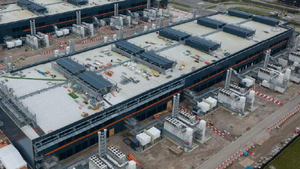
Britain’s biggest data centre will be powered by gas. The grid queue made it inevitable.
The £9bn development in Bedfordshire, which is three times the size of the UK’s existing biggest data centre, will be entirely fuelled by a gas generation station until 2034 to ensure a reliable supply, according to planning documents. The Housing Secretary designated it a nationally significant project, allowing it to bypass local planning authorities.
The pattern is becoming systemic. Gas networks received around three times as many enquiries from data centre developers in 2025 compared to 2024, totalling 113 over the two-year period. When grid connections stretch to a decade, developers build their own power supply. The Bedfordshire site is the most visible example yet of that shift at scale.
The policy tension this creates is significant. Plans for gas-fired energy at one of the UK’s largest data centre developments are described as a really worrying signal by campaigners, as concerns mount over the sector’s impact on net zero goals. The government is simultaneously committed to clean power by 2030 and permitting the country’s largest data centre to burn gas for the next eight years.
Sources: The Telegraph / ENDS Report — UK’s first nationally significant data centre could be gas powered | Data Centre Dynamics — UK government to rule on data centre planned for Bedfordshire quarry
Ofgem is now considering mandatory power cuts for data centres.
Ofgem said in a policy update that it is exploring whether mandatory curtailment could be needed as a backstop measure, arguing that greater control over large power users could give the electricity system greater flexibility to connect additional demand while maintaining reliability.
The regulator is also exploring voluntary flexibility arrangements, which could allow data centres to reduce consumption or adjust operations in exchange for earlier access to grid capacity. AI training workloads may be better suited to flexible operation than cloud services that need to deliver constant availability. There may also be opportunities to design flexibility into new data centres from the outset, particularly if doing so helps developers secure a faster connection.
The commercial implication is significant. Operators who design flexibility into their facilities from day one may be able to access the grid faster. Those who do not may face mandatory curtailment as a backstop. This is moving from a theoretical discussion to a regulatory reality.
Ofgem expects to consult on any additional operational control measures in autumn 2026.
For operators evaluating new data centre development, the direction of travel is clear: demand flexibility is becoming a route to faster grid access, not just a sustainability commitment.
Sources: Data Centre Review — Ofgem considers data centre curtailment during grid stress | Bloomberg — UK Regulator Weighs Cutting Data Center Power Use at Peak Times
The UK and Denmark moved on grid access in the same week. The pattern is European.
The UK and Denmark both unveiled plans in response to the soaring number of data centres seeking to link to their grids, with Britain exploring flexible demand measures while the Danes consider lowering priority for data centre connections.
Denmark’s newly appointed energy minister announced an emergency plan to prioritise defence, healthcare, and ordinary households ahead of foreign data centres. “It’s not a ban on data centres. But we must not end up with Danish companies not being able to get a seat in the electricity grid,” said the minister. Denmark’s grid connection queue stands at approximately 60GW against a peak demand of just 7GW — nearly nine times peak load.
The wider European picture reinforces the pattern. The European Data Centre Association’s 2026 State of European Data Centres Report found that power availability is reported as the top challenge for more than two thirds of operators, with grid congestion and long connection timelines slowing deployment across multiple geographies.
The policy conclusion is consistent across every major European market. Governments are making active choices about who gets grid access and on what terms. Data centres are no longer a planning question. They are an energy policy question.
Sources: Recharge News — UK and Denmark join battle to meet data centre power demand | The Next Web — Denmark pauses grid connections as AI data centres overwhelm the cleanest power grid in Europe | Data Centre Demand — Access to energy is biggest problem facing European data centres
The week in one line: The UK’s biggest data centre is going gas-powered until 2034, Ofgem is moving toward mandatory power curtailment for operators, and Europe is converging on the same conclusion — grid access for data centres is no longer guaranteed.
Armason tracks infrastructure signals across the UK and European data centre market. For site availability, grid intelligence, or pipeline advisory, visit armason.co.uk.